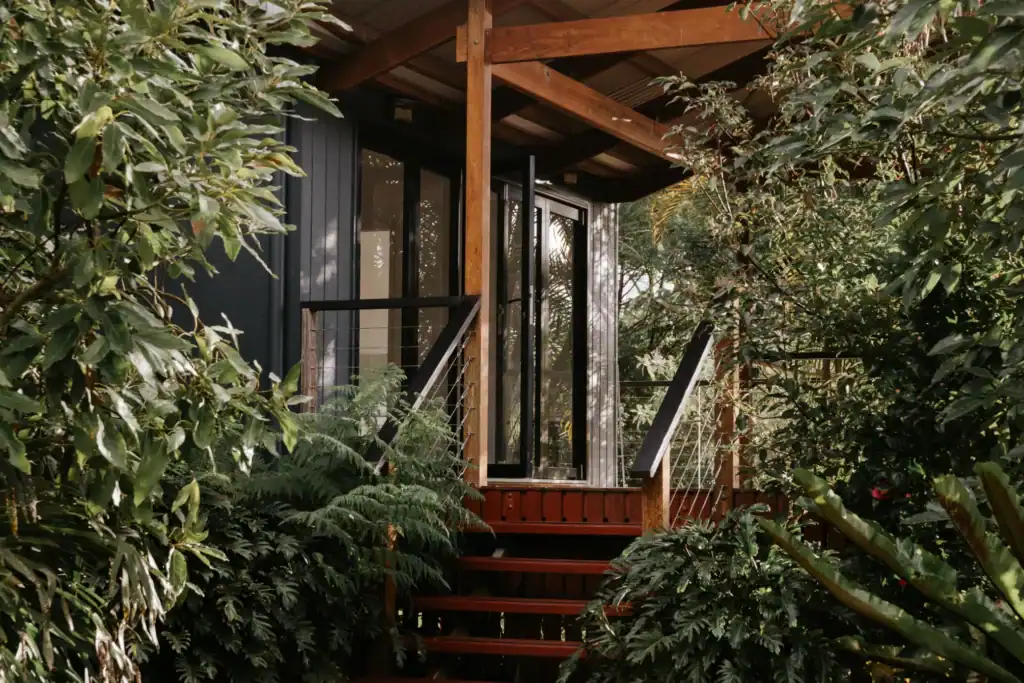
If you’re experiencing depression and finding it difficult to move forward, residential support can provide the space, structure, and consistency needed to begin meaningful change.
At Palladium Private, we offer discreet, private residential support for people experiencing depression. Care is delivered in a calm, supportive environment designed to reduce everyday pressures and allow time to understand what’s contributing to how you’re feeling — at a pace that feels steady, contained, and respectful.
Depression can look and feel different for everyone. For some, it’s a persistent low mood or lack of motivation. For others, it’s emotional numbness, exhaustion, or feeling disconnected from life altogether. That’s why support at Palladium Private begins with understanding your experience, not applying a one-size-fits-all solution.
Residential care provides structure, consistency, and space away from everyday pressures. Within this environment, support is tailored to your needs, history, and goals, helping you make sense of what’s contributing to how you’re feeling and what may help shift it.
Rather than focusing only on symptom relief, care supports insight, emotional awareness, and the gradual rebuilding of stability and resilience.
What support may involve
During your time in residence, support may include a combination of individual therapy, group sessions, and psychoeducation, alongside wellbeing practices that support emotional regulation and physical health.
Depression can affect sleep, energy, appetite, concentration, and motivation, so care often considers the whole picture – emotional, mental, and physical. Therapeutic work may be complemented by movement-based practices, mindfulness, and restorative routines, all selected to support balance and recovery.
The aim is not to push change quickly, but to create the conditions for progress that feels steady, contained, and sustainable.
Why people choose Palladium Private
People often choose Palladium Private when they need more than outpatient support, but don’t feel aligned with hospital-based care. Residential support offers time, space, and consistency without the intensity or clinical feel of an acute setting.
Care is guided by an experienced multidisciplinary team, including therapists, counsellors, and wellbeing practitioners who work collaboratively throughout your stay. Many team members also bring lived experience of mental health recovery, helping create an environment that feels grounded, compassionate, and human.
You won’t be approached as a diagnosis or given generic answers. Support is delivered with respect, curiosity, and an understanding that recovery looks different for everyone.
Our Program Includes
Residential support offers a calm, structured environment where you can step away from daily pressures and focus on your wellbeing. Care is personalised, with consistent support from an experienced team, delivered at a pace that feels contained and manageable.
You’ll work closely with a treating therapist, and team of allied health professionals. Each client receives a personalised treatment plan that addresses the emotional, physical, and psychological dimensions of depression.
Individual Therapy
Group Therapy
Medical Support
Yoga Therapy
Massage
Personal Training
Art Therapy
Nourishing Daily Meals
This whole-person approach allows you to explore the patterns behind your depression, discover new ways to manage your emotions, and take real steps toward a more hopeful, connected life
What Happens Next
Taking the first step can feel daunting, but it doesn’t have to be. We’ll walk you through program options, availability, costs, and available funding stream so you have everything you need to make the decision that’s right for you or someone you care about.
You don’t have to navigate this alone. Whether you’re reaching out for yourself or someone you care about, our experienced intake consultants are here to listen — without judgment or pressure.
You deserve expert care, and we’re ready when you are. One conversation is all it takes to begin.
Residential support may be helpful if depression feels persistent, overwhelming, or difficult to manage with outpatient care alone. Many people consider residential care when they need more structure, consistency, and space away from daily pressures to focus on their wellbeing.
Do I need a formal diagnosis to enquire?
No. You don’t need a formal diagnosis to reach out. Many people contact us because they feel stuck, emotionally exhausted, or unable to move forward, even if they’re unsure how to label what they’re experiencing.
What does residential care involve day to day?
Residential care provides a structured but supportive routine that includes therapeutic sessions, wellbeing activities, and time for rest and reflection. Your days are guided by a care team, with space to engage at a pace that feels manageable.
Is the program the same for everyone?
No. While the overall structure is consistent, care is personalised around your needs, goals, and circumstances. Your treatment plan is shaped collaboratively and may evolve over time as your needs change.
How long do people typically stay?
Length of stay varies depending on individual needs and recommendations from the clinical team. This can be discussed during your initial enquiry and refined as part of the assessment process.
What kind of support team will I have?
You’ll be supported by a multidisciplinary team, which may include therapists, counsellors, wellbeing practitioners, and medical professionals. The team works together to provide consistent, coordinated care throughout your stay.
Is this a hospital or clinical ward?
No. Care is delivered in a calm, private residential environment designed to feel supportive and restorative, rather than clinical or institutional.
How do I know if Palladium Private is the right fit?
Choosing residential care is a personal decision. We encourage you to speak with our team, ask questions, and take time to decide whether our approach and environment feel right for you.